From pasture to village
Neither the 1527 register nor earlier documents mention Talasnal and its neighbours, which suggests the Serra da Lousã was used by shepherds in spring and summer before people settled. Wikipedia and the Schist Villages network both place permanent settlement in the late 17th or early 18th century. The first reference to Talasnal is a fine issued by the Lousã council in 1679, and a property register ordered by King Pedro II followed in 1687.
Check lodging in and near Talasnal
Water, olives and a school
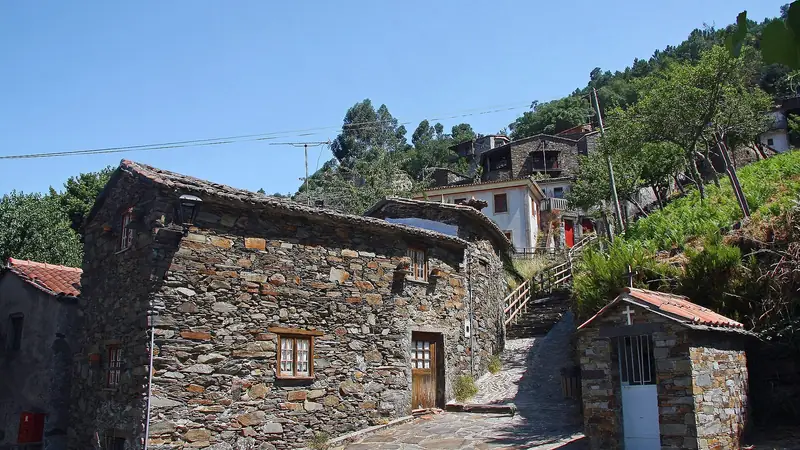
The village used the stream water for irrigation and to drive the olive presses. Two olive presses survive: one in ruins and one privately owned and recently restored. The village had a school, which the Schist Villages page says closed in 1975.
Decline and return
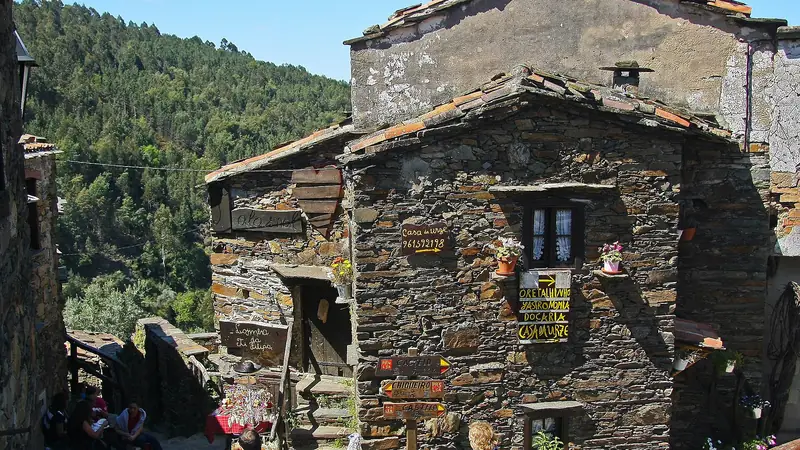
The population peaked at 129 in 1911 and had fallen to two permanent residents by 1981. Emigration and the move to towns emptied many villages of the Serra; Wikipedia says the settlements are being rebuilt and repopulated again. Today the houses serve as second homes, visitor lodging and small businesses, and no original inhabitants remain on the Schist Villages page’s account.
The Schist Villages programme
The network was launched in 2001 with European regional funds and today includes 27 villages in 16 municipalities, with 12 in the Serra da Lousã (Wikipedia). See the villages near Talasnal, and for how to reach them, how to get to Talasnal.
Visit with context
Read this page before you walk the village: the shrine, the spring and the presses are what the sources describe, and the rest is private property.
Frequently asked questions
When was Talasnal founded?
Sources put permanent settlement in the late 17th or early 18th century. Wikipedia reasons that the 1527 population register does not mention these villages, which suggests seasonal use by shepherds before that.
When was Talasnal most populated?
The Schist Villages page gives a peak of 129 inhabitants in 1911.
Does anyone from the original families still live in Talasnal?
The Schist Villages page says no original inhabitants remain: many left for other continents, and the houses are now second homes, visitor lodging or businesses.
Some links are affiliate links: if you book through them we earn a small commission at no extra cost to you. It funds the research behind this site.